
Hyperbaric Chambers for Pain Management and Recovery: Evidence Guide
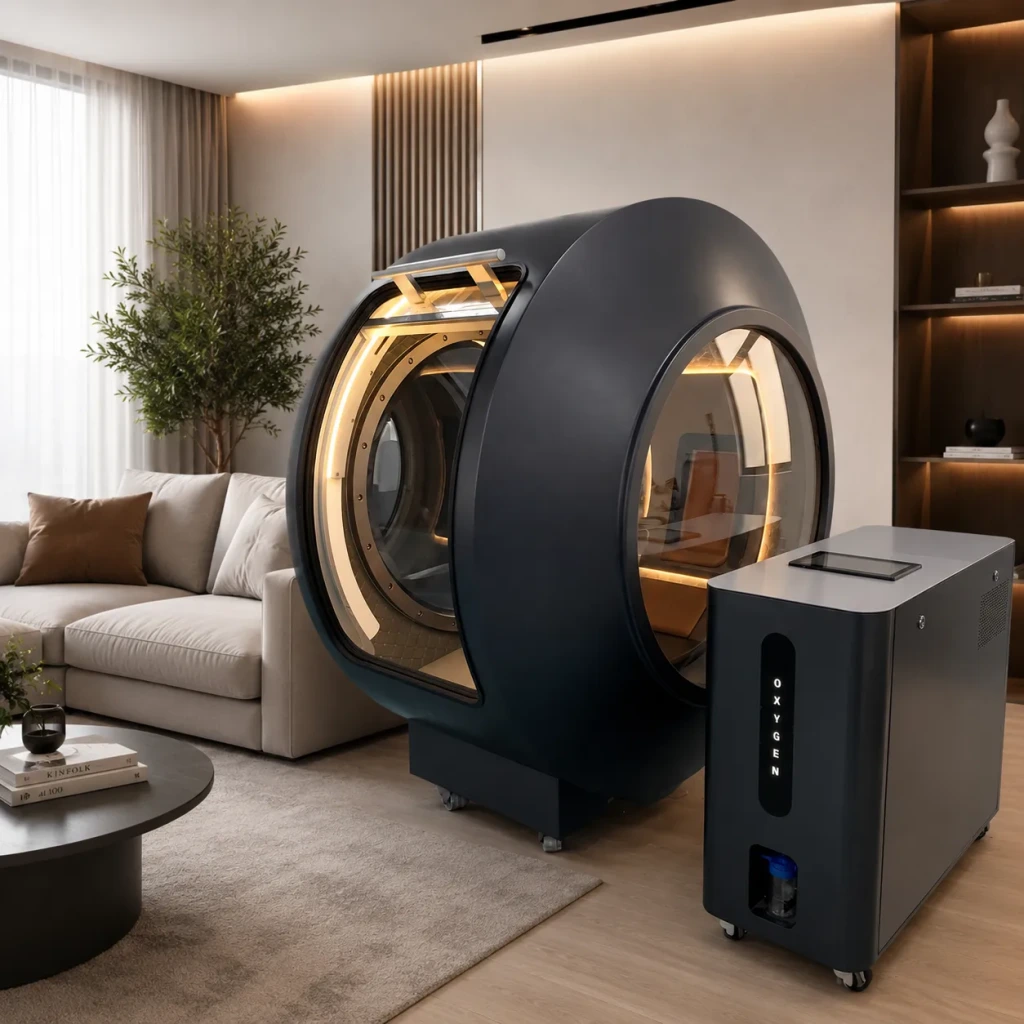
People searching for hyperbaric chambers for pain management often encounter a mixture of clinical information, wellness marketing, and athlete testimonials. These sources may describe very different equipment and protocols. The central SEO question behind this topic is also the central clinical question: pain from what diagnosis, treated with which hyperbaric exposure, under whose supervision?
Clinical HBOT can be part of care for defined conditions such as decompression sickness, carbon monoxide poisoning, selected problem wounds, radiation injury, and certain serious infections. Those recognized uses should not be generalized into a promise that a chamber will relieve ordinary back pain, arthritis, post-workout soreness, or every chronic pain condition.
TL;DR: Hyperbaric oxygen therapy has recognized roles for specific medical conditions, but that does not make it a proven treatment for every type of pain or routine recovery. Evidence, pressure, oxygen dose, diagnosis, and supervision all matter. Persistent or severe pain needs medical assessment, and HBOT should be considered only within an appropriate treatment plan.
When is HBOT used in medical care?
Medical hyperbaric oxygen therapy delivers a prescribed oxygen exposure at increased pressure in a suitable chamber with trained supervision. Mayo Clinic describes HBOT as one part of a broader treatment plan for selected conditions, not a stand-alone cure. The number and intensity of sessions depend on the diagnosis and clinical protocol.
Some recognized conditions can include pain as a symptom, but symptom relief is not the same as treating “pain” as a universal indication. A clinician must first identify the cause, rule out urgent problems, and decide whether the evidence supports HBOT for that diagnosis.
What about chronic pain and sports recovery?
Research exists for several pain-related and recovery topics, but results vary by condition, study design, chamber pressure, oxygen concentration, number of sessions, and comparison group. Small or early studies can justify further research without proving routine benefit. Evidence from a hospital protocol also cannot be transferred automatically to a low-pressure wellness chamber.
For musculoskeletal pain, rehabilitation, exercise progression, sleep, medication review, and diagnosis-specific care usually remain central. If a provider offers hyperbaric sessions, ask it to identify the exact evidence for the person’s condition and the exact protocol being offered.
How should a patient or buyer evaluate claims?
Good claims are specific: they name the condition, device type, pressure, oxygen delivery, duration, outcome, study population, and limitations. Weak claims rely on phrases such as “more oxygen means faster healing” without showing that the proposed session improves a meaningful outcome for the condition in question.
Look for a medical screening process, written informed consent, trained supervision, monitoring, maintenance records, and a plan for adverse events. The FDA’s 2025 safety letter stresses staff training, user monitoring, manufacturer-specified cleaning and maintenance, grounding, prohibited-item control, and fire-prevention procedures.
- Ask for the diagnosis and treatment goal in writing.
- Confirm whether the evidence applies to this chamber and protocol.
- Review alternatives, costs, expected outcomes, and stopping criteria.
- Discuss ear, sinus, lung, oxygen, blood-sugar, vision, anxiety, and fire risks.
- Avoid providers that guarantee a cure or advise stopping established care.
Safety and escalation
Common pressure-related problems include ear and sinus discomfort; more serious complications are uncommon but possible. Clinical oxygen exposure can cause oxygen toxicity, and oxygen-rich environments increase fire risk. A person with lung disease, recent ear surgery, fever, pregnancy, implanted equipment, diabetes, or other medical concerns needs individualized review.
Sudden severe pain, weakness, chest pain, breathing difficulty, confusion, loss of bladder or bowel control, major trauma, or signs of infection require prompt medical assessment. A hyperbaric session should never delay emergency care.
Frequently asked questions
Does HBOT work for all chronic pain?
No. Chronic pain has many causes, and evidence for HBOT differs by diagnosis and protocol. A recognized use for one condition cannot be generalized to another. Medical evaluation and diagnosis-specific treatment should come first.
Can a wellness chamber provide the same treatment as a hospital chamber?
Not automatically. Pressure, oxygen concentration, delivery method, equipment authorization, staffing, monitoring, and protocol may differ. Compare the exact exposure and intended use rather than assuming that every chamber provides clinical HBOT.
Sources and safety references
- U.S. FDA — Follow Instructions for Safe Use of Hyperbaric Oxygen Therapy Devices (2025)
- U.S. FDA — Hyperbaric chamber product classification (CBF)
- Undersea & Hyperbaric Medical Society — Position statement on low-pressure fabric chambers
- Mayo Clinic — Hyperbaric oxygen therapy: uses and risks
- U.S. FDA — Unique considerations for home-use medical devices
This article is educational and does not replace individualized medical advice, diagnosis, or emergency care.