
Soft-Shell Hyperbaric Chamber Benefits, Limits, and Safety
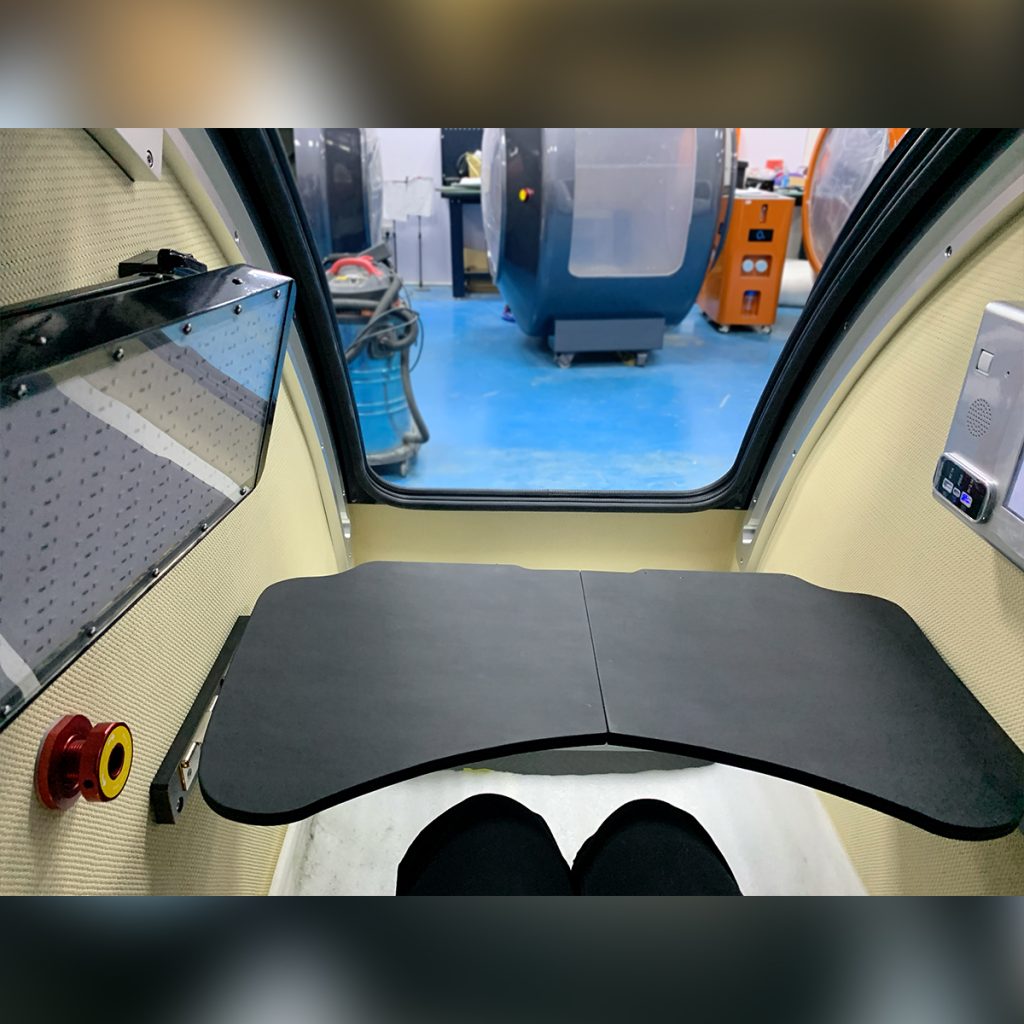
Soft-shell hyperbaric chambers attract home users, athletes, wellness centers, and smaller facilities because they look less complex than rigid systems. Their real strengths are usually logistical rather than clinical: flexible construction, lower weight, and an installation process that may be simpler for some spaces.
A balanced evaluation should state those practical benefits without implying that a soft shell provides the same exposure or medical capabilities as every hard-shell chamber. The exact model, pressure, breathing gas, instructions for use, and local rules determine what the system is suitable for.
TL;DR: The main advantages of a soft-shell hyperbaric chamber are practical: lighter construction, a smaller installation footprint, and often simpler transport or setup. Those features do not prove a medical benefit. Pressure, breathing gas, intended use, regulatory status, supervision, maintenance, and evidence must be evaluated separately.
What are the practical benefits of a soft-shell chamber?
Flexible chambers can often be moved, delivered, and installed with fewer structural demands than large rigid pressure vessels. Some models fold or separate into manageable components, and their lower-pressure operation may reduce certain site requirements. This can make them attractive where floor area, access, or budget is limited.
The enclosed shape can also provide a private, quiet session environment. Comfort depends on usable interior dimensions, entry design, temperature control, noise, viewing panels, communication, and the user’s response to confinement—not on the word “soft” alone.
What are the limits?
The Undersea and Hyperbaric Medical Society distinguishes low-pressure fabric chambers from clinical HBOT and states that mild hyperbaric exposure is unproven for general medical purposes. A soft-shell session should not be marketed as equivalent to a prescribed hospital protocol unless the exact equipment and exposure genuinely meet the relevant requirements.
Flexible materials, zippers, seals, hoses, valves, compressors, and gauges require scheduled inspection and replacement. Portability can also create inconsistency if a chamber is repeatedly moved, set up in unsuitable rooms, or operated by people without training.
Safety still requires a complete operating system
Lower pressure does not mean zero risk. Users may experience ear or sinus discomfort, anxiety, or difficulty equalizing pressure. Equipment problems, blocked ventilation, prohibited items, unsuitable fabrics, oxygen misuse, and poor supervision can create additional hazards. Follow the exact manufacturer instructions rather than a generic internet protocol.
The FDA recommends staff training, continuous monitoring, manufacturer-specified maintenance and cleaning, correct grounding, and strict fire-prevention measures for HBOT devices. Home and wellness operators should document the same fundamentals even when the service is not presented as medical treatment.
- Verify intended use, pressure rating, and regulatory documentation.
- Confirm whether the chamber is pressurized with air and how oxygen is delivered, if used.
- Require clear entry, communication, depressurization, and emergency procedures.
- Check inspection intervals for the shell, zippers, seals, hoses, valves, and gauges.
- Confirm local parts, trained service, warranty terms, and incident support.
Who may value a soft-shell system?
A soft-shell model may fit a buyer whose lawful intended use, pressure needs, staffing, and facility constraints match that exact system. It may be a poor fit for a medical protocol requiring different pressure, oxygen delivery, monitoring, or facility standards. The comparison should start with the use case and risk controls, then move to comfort and price.
Ask each vendor to demonstrate the full session workflow, including screening, setup, pressurization, communication, monitoring, depressurization, cleaning, and an emergency drill. A credible supplier will discuss limitations as clearly as benefits.
Frequently asked questions
What is the biggest benefit of a soft-shell chamber?
For many buyers, it is easier logistics: lower weight, a smaller installation burden, and potential portability. Those are operational benefits. They do not establish that a device is appropriate for a medical condition or equivalent to clinical HBOT.
Can a soft-shell chamber be used at home?
Only when the exact device is legally supplied for that use and the home can meet its instructions, supervision, electrical, ventilation, maintenance, and emergency requirements. Medical guidance is appropriate whenever a health condition is involved.
Sources and safety references
- U.S. FDA — Follow Instructions for Safe Use of Hyperbaric Oxygen Therapy Devices (2025)
- U.S. FDA — Hyperbaric chamber product classification (CBF)
- Undersea & Hyperbaric Medical Society — Position statement on low-pressure fabric chambers
- Mayo Clinic — Hyperbaric oxygen therapy: uses and risks
- U.S. FDA — Unique considerations for home-use medical devices
This article is educational and does not replace individualized medical advice, diagnosis, or emergency care.